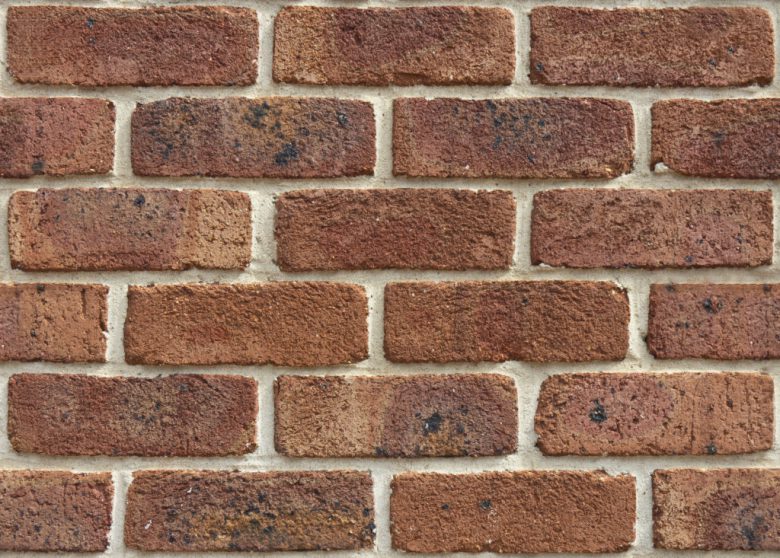
Winter can be tough on masonry structures like brick walls, stone patios, chimneys, and concrete walkways. As temperatures drop and moisture turns to ice, the freeze-thaw cycle can cause significant damage if your masonry isn’t properly prepared. Masonry contractors near me Chicago understand that taking the time to winterize your brick and stone surfaces can prevent costly repairs and keep your structures in great shape. Here are some essential tips on how to prepare your masonry for winter to ensure it weathers the cold season beautifully.
1. Conduct a Thorough Inspection
The first step in winterizing your masonry is a thorough inspection of your structures. Look for cracks, loose mortar, spalling (where the surface peels or flakes), and other signs of wear and tear. Even small issues can become major problems during winter as water seeps into cracks, freezes, and expands, making the damage worse. If you notice any issues, consult with professional masonry contractors who can assess the damage and recommend the best course of action before the winter cold sets in.
2. Clean Your Masonry Surfaces
Cleaning your masonry is crucial before winter arrives. Dirt, moss, algae, and other debris can trap moisture against your brick or stone, leading to increased risk of water damage. Use a mild cleaning solution and a soft brush to clean the surface. Avoid high-pressure washing, as it can erode the mortar and surface finish. For a deep clean that won’t harm your masonry, consider hiring masonry contractors who have the right equipment and expertise to handle the job safely and effectively.
3. Apply a Quality Sealant
Sealing your masonry is one of the best ways to protect it from winter weather. A high-quality, breathable sealant repels water while allowing moisture inside the masonry to escape, preventing freeze-thaw damage. Make sure to choose a sealant specifically designed for masonry, as this will offer the best protection against water infiltration. Masonry contractors can help you select the right sealant and apply it correctly, ensuring your structures are well-protected against winter’s challenges.
4. Check and Improve Drainage
Proper drainage is essential for protecting your masonry from winter damage. Water pooling around your masonry structures can freeze and cause serious damage. Check your gutters, downspouts, and grading around your property to ensure water is directed away from walls, foundations, and patios. If necessary, consult with masonry contractors who can help improve drainage solutions, such as installing French drains or adjusting landscaping to better manage water flow.
5. Protect Your Masonry from Snow and Ice
Snow and ice can be particularly damaging to masonry surfaces. Avoid using harsh chemical de-icers, which can deteriorate brick and mortar. Instead, use sand or a masonry-safe de-icing product to maintain traction on walkways without harming your masonry. If you have masonry steps, walkways, or driveways, consider using protective mats or heated systems that can help minimize ice buildup without damaging the surface.
6. Address Efflorescence and Moisture Issues
Efflorescence, the white powdery residue often seen on masonry surfaces, is a sign of moisture problems. This phenomenon occurs when water-soluble salts are drawn to the surface of the masonry as water evaporates. While efflorescence isn’t structurally damaging, it indicates that moisture is present and could freeze during winter, leading to potential damage. Address the root cause, such as inadequate sealing or poor drainage, to prevent it from worsening. Masonry contractors can provide effective solutions to manage and prevent efflorescence.
7. Schedule Preventive Maintenance with Masonry Contractors
Professional maintenance is one of the best ways to keep your masonry in excellent condition. Masonry contractors can perform a fall check-up, addressing minor repairs, resealing surfaces, and ensuring that everything is in top shape before winter hits. Regular maintenance helps catch problems early, extending the life of your masonry and saving you money in the long run.
Winter can be hard on your masonry, but with the right preparation, you can protect your investment and keep your brick, stone, and concrete looking beautiful and performing well. By inspecting, cleaning, sealing, and managing moisture, you can prevent winter damage and maintain the structural integrity of your masonry. For the best results, consider partnering with experienced masonry contractors who can provide expert guidance and services tailored to your needs. Don’t wait until the snow falls—prepare your masonry for winter today and enjoy peace of mind all season long.