Your home is more than just a place to live; it’s an investment that requires ongoing care and maintenance to ensure its longevity and comfort. One of the most crucial aspects of maintaining your home’s integrity is effective weatherproofing. Among the various elements that contribute to weatherproofing, siding plays a pivotal role in shielding your home from the harshest elements nature has to offer. In this blog post, we’ll explore how siding serves as a vital barrier against the elements and how partnering with experienced siding contractors near me in Algonquin can enhance your home’s protection.
Understanding Weatherproofing
Weatherproofing refers to the process of making your home resistant to adverse weather conditions such as rain, wind, snow, and extreme temperatures. Effective weatherproofing not only preserves the structural integrity of your home but also enhances energy efficiency, reduces maintenance costs, and increases overall comfort. While there are multiple components involved in weatherproofing, siding stands out as a primary defense mechanism.
The Role of Siding in Weatherproofing
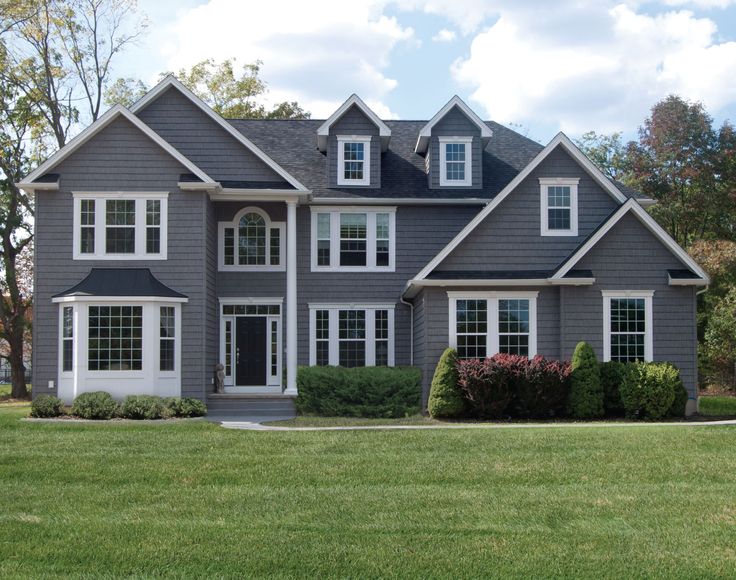
Siding acts as the outermost layer of your home’s exterior, serving as the first line of defense against environmental factors. Here’s how siding contributes to weatherproofing:
1. Protection Against Moisture
One of the primary functions of siding is to prevent moisture from penetrating your home’s walls. Moisture intrusion can lead to a host of problems, including mold growth, wood rot, and structural damage. Quality siding materials, when properly installed, create a barrier that repels rain and snow, keeping your home’s interior dry and protected.
2. Insulation and Energy Efficiency
Siding can significantly impact your home’s insulation levels. Certain siding materials, such as fiber cement and insulated vinyl, offer enhanced thermal performance, helping to maintain consistent indoor temperatures. By reducing heat loss in the winter and heat gain in the summer, siding contributes to lower energy bills and a more comfortable living environment.
3. Wind Resistance
Strong winds can cause considerable damage to a home’s exterior, especially during storms and hurricanes. Siding materials like metal and fiber cement are known for their durability and ability to withstand high wind speeds. Proper installation by skilled siding contractors ensures that siding remains securely attached, minimizing the risk of wind-related damage.
4. UV Protection
Prolonged exposure to ultraviolet (UV) rays can degrade siding materials over time, causing fading, discoloration, and brittleness. High-quality siding incorporates UV-resistant properties that help maintain its appearance and structural integrity despite constant sun exposure.
5. Pest Deterrence
Certain siding types, such as metal and vinyl, are less susceptible to pest infestations compared to wood siding. By choosing the right material, you can reduce the likelihood of termites, carpenter ants, and other pests compromising your home’s exterior.
Types of Siding and Their Weatherproofing Benefits
Selecting the appropriate siding material is crucial for effective weatherproofing. Here are some popular siding options and their specific benefits:
1. Vinyl Siding
- Pros: Affordable, low maintenance, and available in a wide range of colors and styles.
- Weatherproofing Benefits: Excellent moisture resistance, UV protection, and durability against wind and pests.
2. Fiber Cement Siding
- Pros: Highly durable, fire-resistant, and versatile in appearance.
- Weatherproofing Benefits: Superior resistance to moisture, pests, and extreme weather conditions. Provides excellent insulation properties.
3. Wood Siding
- Pros: Natural beauty, customizable finishes, and eco-friendly options.
- Weatherproofing Benefits: When properly maintained, wood siding offers good insulation and moisture resistance. However, it requires regular upkeep to prevent weather-related damage.
4. Metal Siding
- Pros: Extremely durable, low maintenance, and modern aesthetic.
- Weatherproofing Benefits: Outstanding resistance to moisture, pests, and high winds. Reflects UV rays, helping to keep interiors cooler.
5. Engineered Wood Siding
- Pros: Combines the appearance of wood with enhanced durability and lower maintenance.
- Weatherproofing Benefits: Resistant to moisture and pests, providing a durable and attractive exterior option.
The Importance of Professional Installation by Siding Contractors
While selecting the right siding material is essential, professional installation is equally critical to ensure maximum weatherproofing benefits. Here’s why partnering with experienced siding contractors is vital:
1. Expertise and Knowledge
Siding contractors possess the expertise and knowledge required to install siding correctly. They understand the nuances of different materials and the best practices for ensuring a weatherproof installation. Proper installation prevents common issues such as gaps, leaks, and improper sealing that can compromise your home’s protection.
2. Quality Assurance
Professional siding contractors adhere to industry standards and manufacturer guidelines, ensuring that your siding is installed to the highest quality. This commitment to quality extends the lifespan of your siding and maintains its weatherproofing capabilities over time.
3. Time and Efficiency
Siding installation can be time-consuming and labor-intensive. Experienced contractors work efficiently, minimizing disruption to your daily life while completing the project within the agreed-upon timeline. Their ability to handle unexpected challenges ensures a smooth and timely installation process.
4. Warranty and Support
Reputable siding contractors often provide warranties on their workmanship and the materials they install. This added layer of protection gives you peace of mind, knowing that any issues arising from the installation will be addressed promptly and professionally.
Additional Weatherproofing Tips
In addition to high-quality siding and professional installation, consider these tips to further enhance your home’s weatherproofing:
1. Proper Insulation
Ensure that your home’s walls are well-insulated to complement the weatherproofing benefits of your siding. Good insulation helps regulate indoor temperatures and reduces energy consumption.
2. Regular Maintenance
Perform routine inspections and maintenance on your siding to identify and address any signs of damage or wear. Prompt repairs prevent minor issues from escalating into significant problems.
3. Sealing and Caulking
Regularly check and maintain the seals and caulking around windows, doors, and other openings. Proper sealing prevents moisture intrusion and improves overall weather resistance.
4. Gutter Maintenance
Clean and maintain your gutters to ensure proper drainage. Effective gutter systems prevent water from pooling around your home’s foundation, reducing the risk of moisture-related damage.
Weatherproofing your home is essential for protecting your investment and ensuring a comfortable living environment. Siding plays a crucial role in this process by providing a durable and effective barrier against moisture, wind, UV rays, and pests. By choosing the right siding material and partnering with experienced siding contractors, you can enhance your home’s weather resistance and overall longevity.
Investing in quality siding and professional installation not only safeguards your home from the elements but also adds to its aesthetic appeal and value. Start planning your siding project today to enjoy a beautifully protected and energy-efficient home for years to come.