Masonry remains one of the most time-honored construction practices, celebrated for its robustness, aesthetic value, and adaptability. From the enduring stone structures of ancient times to the modern brick exteriors of today’s buildings, masonry methods have continually adapted to the evolving demands of architecture and construction. Whether you’re a homeowner embarking on a renovation or a developer planning a new project, understanding the different masonry techniques is essential. In this article, we’ll explore a range of masonry methods, their specific applications, and the importance of working with expert masonry contractors near me in Oak Park to achieve outstanding results.
1. Brick Masonry
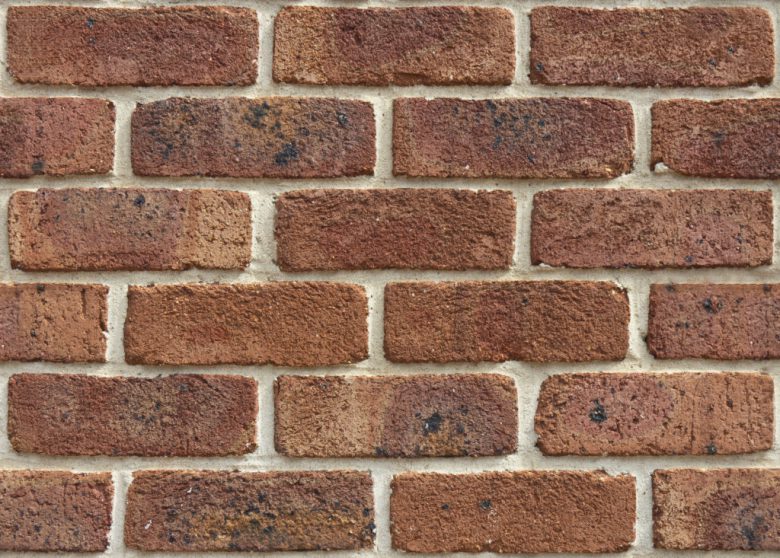
Brick masonry is perhaps the most widespread type of masonry used in both residential and commercial buildings. This technique involves assembling bricks with mortar to construct walls, columns, and other structural elements.
- Advantages:
- Durability: Bricks are highly durable and can endure extreme weather conditions.
- Aesthetic Flexibility: Available in various colors, sizes, and textures, bricks offer a wide range of design possibilities.
- Fire Resistance: Brick masonry provides excellent fireproofing, enhancing the safety of the structure.
- Applications:
- Residential homes
- Commercial buildings
- Decorative facades
Masonry contractors specializing in brickwork can help you choose the appropriate bricks and mortar to meet both functional and aesthetic requirements for your project.
2. Stone Masonry
Stone masonry utilizes natural stones such as granite, limestone, sandstone, and marble. This method is preferred for its natural beauty and exceptional strength.
- Advantages:
- Natural Beauty: Each stone possesses unique patterns and colors, adding distinctive character to the structure.
- Strength: Stone masonry is incredibly strong and offers long-lasting durability.
- Low Maintenance: Once properly installed, stone structures require minimal upkeep.
- Applications:
- Exterior walls
- Landscaping features like retaining walls and garden paths
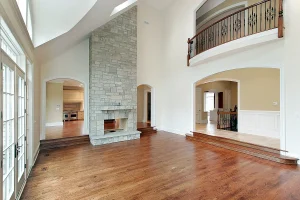
- Decorative elements such as fireplaces and columns
Masonry contractors with stonework expertise ensure precise cutting and fitting of stones, resulting in seamless and visually appealing constructions.
3. Concrete Masonry Units (CMU)
Concrete Masonry Units, commonly known as concrete blocks, are large rectangular blocks made from concrete and aggregates. They are a mainstay in modern construction due to their efficiency and versatility.
- Advantages:
- Cost-Effective: CMUs are generally more affordable than brick or stone alternatives.
- Quick Construction: The larger size of concrete blocks allows for faster building processes.
- Insulation Properties: Concrete blocks provide good thermal and sound insulation.
- Applications:
- Foundation walls
- Basement construction
- Commercial buildings
Masonry contractors use CMUs for both structural and non-structural purposes, optimizing cost and time without compromising quality.
4. Refractory Masonry
Refractory masonry involves the use of heat-resistant materials to build structures that can withstand high temperatures. This technique is crucial in industries such as steel, glass, and ceramics.
- Advantages:
- Heat Resistance: Perfect for environments exposed to extreme heat.
- Durability: Resistant to thermal cycling and chemical corrosion.
- Safety: Enhances the safety and efficiency of industrial processes.
- Applications:
- Kilns and furnaces
- Fireplaces and chimneys
- Industrial ovens
Masonry contractors specializing in refractory masonry ensure that materials and construction methods meet the stringent demands of high-temperature applications.
5. Brick Veneer Masonry
Brick veneer masonry entails attaching a single layer of bricks to the exterior of a structural wall made from another material, such as wood or concrete.
- Advantages:
- Cost Savings: Requires fewer materials compared to full brick walls.
- Aesthetic Appeal: Offers the appearance of brick without the associated costs and weight.
- Flexibility: Suitable for various building types and architectural styles.
- Applications:
- Residential homes
- Commercial buildings
- Renovation projects
Masonry contractors can expertly apply brick veneers to enhance the appearance of existing structures while maintaining structural integrity.
6. Dry Stone Masonry
Dry stone masonry is a traditional method that involves stacking stones without the use of mortar. This technique relies on the careful selection and placement of stones to ensure stability.
- Advantages:
- Eco-Friendly: Eliminates the need for mortar, resulting in a more sustainable approach.
- Flexibility: Structures can adjust slightly without cracking, ideal for areas with shifting ground.
- Rustic Charm: Offers a natural and appealing look.
- Applications:
- Garden walls
- Pathways and patios
- Retaining walls
Masonry contractors skilled in dry stone masonry can create beautiful and durable structures that blend seamlessly with natural landscapes.
7. Tuckpointing
Tuckpointing is a specialized masonry technique used to repair and restore existing brickwork. It involves removing deteriorated mortar and replacing it with new mortar that matches the original in color and texture.
- Advantages:
- Restoration: Extends the lifespan of brick structures by preventing water infiltration and structural damage.
- Aesthetic Enhancement: Improves the appearance of older buildings by refreshing mortar joints.
- Cost Efficiency: Prevents the need for more extensive and expensive repairs in the future.
- Applications:
- Historic buildings
- Residential homes
- Commercial properties
Masonry contractors proficient in tuckpointing can meticulously restore brickwork, preserving both the integrity and beauty of your masonry structures.
8. Bricklaying Patterns and Techniques
Beyond material selection, the patterns and techniques used in masonry significantly influence the strength and visual appeal of the finished structure. Common bricklaying patterns include:
- Running Bond: The most common pattern, with each brick offset by half its length.
- Stack Bond: Bricks are stacked directly on top of each other, creating a grid-like appearance.
- Herringbone: Bricks are laid at a 45-degree angle, forming a zigzag pattern.
- Flemish Bond: Alternates between headers (short side of the brick) and stretchers (long side of the brick) in each row.
Masonry contractors can recommend the best patterns and techniques to suit your project’s structural requirements and aesthetic preferences.
Having a thorough understanding of the various masonry techniques is essential for making informed decisions about your construction or renovation projects. Each method offers unique benefits and is suited to different applications, whether your focus is on durability, aesthetic appeal, or cost-effectiveness. Partnering with experienced masonry contractors ensures that the chosen techniques are executed with precision and expertise, resulting in structures that stand the test of time.
Taking the time to familiarize yourself with these masonry techniques can help you effectively communicate your vision and achieve the best possible outcomes for your projects. Whether you’re building a new home, restoring a historic property, or enhancing your commercial space, the right masonry techniques can make all the difference.