From Ship Planks to Backyards: The Surprising Story of the American Deck
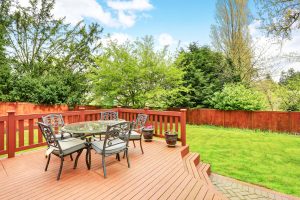
Step outside onto a deck on a warm July evening and it feels like the most natural thing in the world: a flat wooden platform, a few chairs, maybe a grill. But the backyard deck is a surprisingly young invention. Its story says a lot about how we live, build and spend our free time.
Where the Word Comes From
The word “deck” traces back to the Middle Dutch “dek,” meaning a roof or covering. Sailors used it for the planked floors of ships. Those floors were built to shed water, flex with movement and survive constant exposure to sun and salt. In many ways, the modern backyard deck asks lumber to do the same job on dry land.
The Postwar Boom
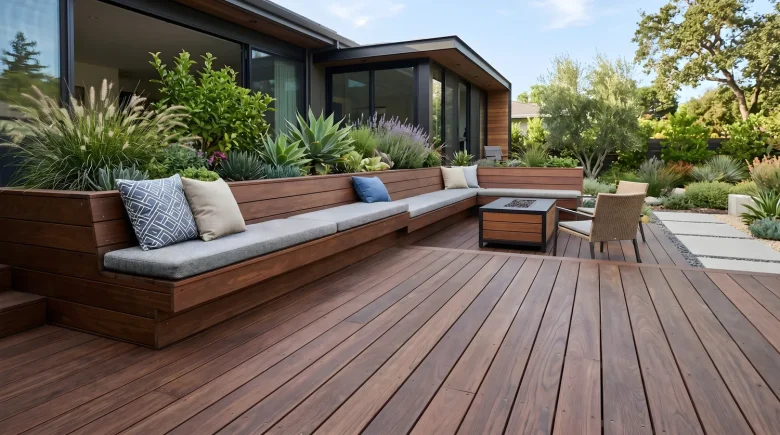
Before the mid-twentieth century, most American homes had porches, not decks. Porches faced the street and were social spaces where neighbors greeted each other. After World War II, families moved into new suburban homes and attention shifted to the private backyard. Landscape designers in California began creating raised redwood platforms that extended living rooms outdoors, and home magazines spread the idea across the country. By the 1970s and 1980s, the deck had become one of the most popular home improvement projects in the United States.
Chicago’s Own Outdoor Tradition
Chicago tells a slightly different story. Long before suburban decks became fashionable, the city’s two-flats and three-flats had wooden back porches stacked on top of each other. These rear porches served as fire escapes, laundry areas and summer living rooms all at once. Many still stand today, and they are part of what makes the city’s alleys look so distinctive.
Because so many of these structures are decades old, they need attention. Homeowners who search for deck repair near me Chicago are often dealing with exactly this kind of aging wood. Typical problems are boards that have cupped, railings that wobble and fasteners that have rusted after years of wet springs and snowy winters.
Why Chicago Weather Is Tough on Wood
Few climates test outdoor wood like the Great Lakes region. Wood is hygroscopic, meaning it constantly absorbs and releases moisture from the air. In summer, humidity makes boards swell. In winter, dry air makes them shrink.
Freeze-thaw cycles make this worse. Water trapped in tiny cracks freezes, expands and melts again, dozens of times each year. The result is splitting, checking and loosening nails.
Snow adds another layer. Heavy, wet snow weighs far more than a light, fluffy one, and a deck that sits under drifts for weeks stays damp the whole time. That moisture is what fungi need to start breaking down wood fibers. The result is rot, which often begins out of sight on the joists and beams under the surface boards.
Safety Lessons Learned the Hard Way
In June 2003, an overcrowded porch in Chicago’s Lincoln Park neighborhood collapsed during a party, killing 13 people. The tragedy led the city to take a hard look at how porches were built and inspected. It also pushed many homeowners to examine their own structures more carefully. Today, building codes across the country put a strong emphasis on how a deck connects to the house, on proper footings and on load capacity.
The lesson applies to every outdoor platform, not just the large ones. A deck is a structure, not furniture, and it deserves the same respect as a roof or a foundation.
Simple Habits That Extend a Deck’s Life
A little attention goes a long way. Here are a few habits worth adopting:
- Sweep regularly. Leaves and pine needles trap moisture against boards and stain the surface.
- Keep the gaps clear. The spaces between boards let water drain. If they fill with debris, clean them out.
- Move planters around. Pots left in one spot for months create damp shadows that encourage mildew.
- Watch for soft spots. Press a screwdriver into suspicious areas. If it sinks in easily, the wood may be rotting.
- Look underneath. Once a year, check joists, beams and posts, especially where they meet the ground or the house.
Knowing When to Call for Help
Some problems are cosmetic, like a faded finish or a bit of mildew. Others are structural, such as a sagging section, a loose ledger board or posts that have shifted. If you notice the second kind, start looking for deck repair near me Chicago and have a professional take a close look before the next season of barbecues and birthday parties.
A Small Structure With a Big Role
The deck may be a fairly recent addition to the American home, but it has become one of its most loved spaces. It is where morning coffee tastes better, where kids play after dinner and where friends linger after the sun goes down. Knowing where it came from, and what it is up against, is the first step to keeping it safe and beautiful for many summers to come.